
The Three Main ADU Configurations
Before you pick floor plans or finishes, one decision shapes everything else: how your ADU connects to your home. In California, an ADU can be detached, attached, or created by converting an existing space like a garage — and each path has real trade-offs in privacy, cost, and complexity.
Detached ADUs: Maximum Privacy
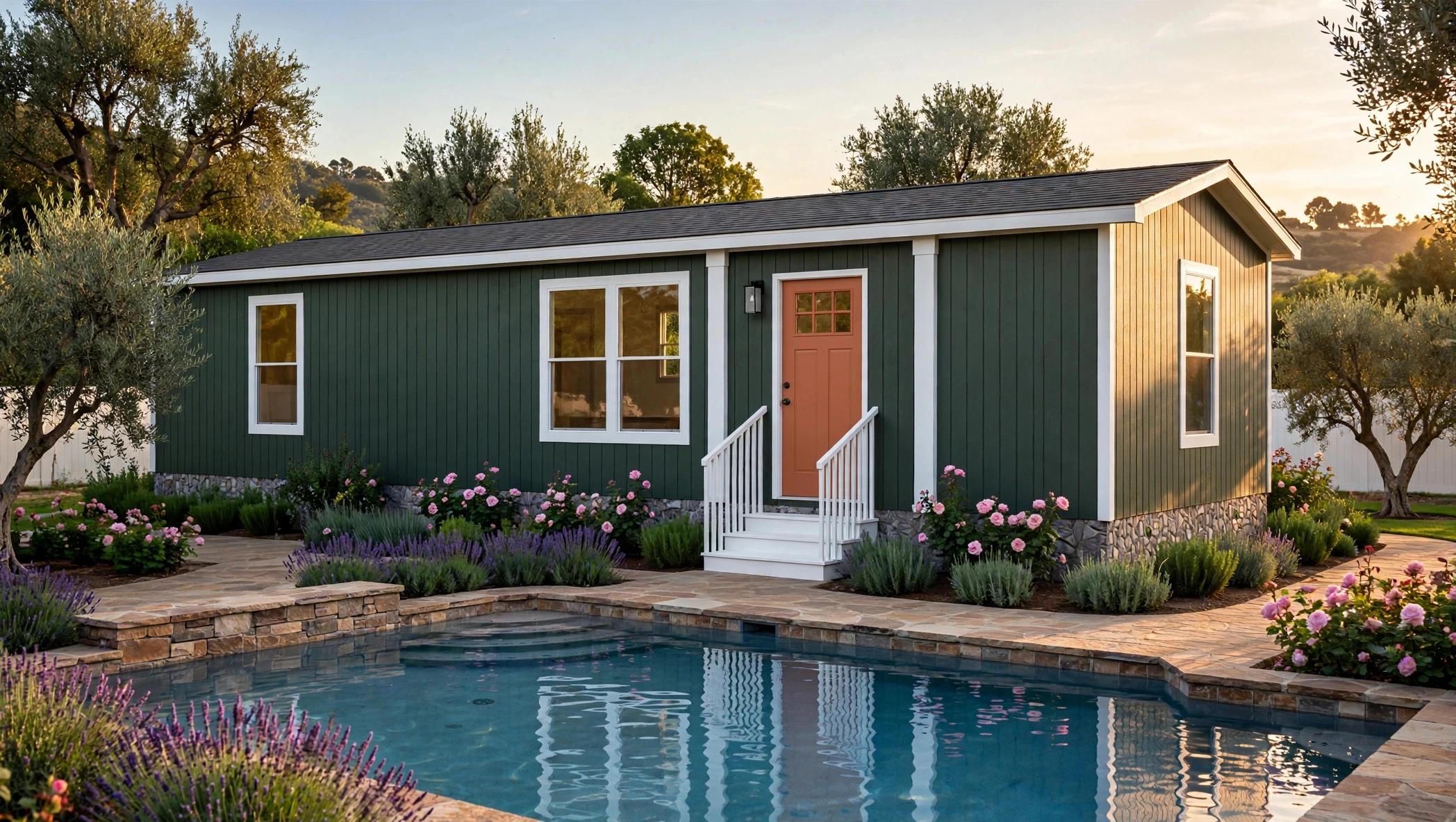
A detached ADU is a standalone structure in your backyard, separate from the main house. It's the most popular choice for rental income because tenants get a fully independent home — no shared walls, no shared entrances. That privacy commands stronger interest from renters, and it works just as well for family members who want their own space.
The trade-off is footprint and site work. A detached unit needs its own foundation, its own utility connections, and enough yard to meet setback rules. Rules vary by city and county, so check your local requirements before falling in love with a layout.
Attached ADUs: Shared Walls, Lower Complexity
An attached ADU connects to the main house — sharing at least one wall, like an addition. Because part of the structure already exists, attached units can be simpler to build: shorter utility runs, less site work, and a smaller physical footprint. They're a smart fit for narrower lots where a detached unit won't comfortably sit.
The compromise is proximity. You'll share walls and possibly a roofline with the main home, which matters if sound separation and tenant privacy are priorities. Good design — thoughtful layouts and quality insulation — goes a long way here.
Garage Conversions: Working With What You Have
Converting an existing garage into an ADU is often the most budget-friendly route, since the shell already exists. It also sidesteps some of the trickiest site questions — the structure is already there, on an already-approved footprint.
But conversions come with their own reality check: garages weren't built for living, so upgrades to insulation, moisture protection, electrical, and plumbing are standard. And you're trading parking for housing, which some homeowners regret. A site evaluation tells you honestly whether your garage is a good candidate.
Which One Fits Your Lot?
There's no universal winner — the right choice depends on your lot size, your budget, and your goal. Renting to strangers? Lean detached. Tight lot? Attached may be your answer. Have a solid garage you're not using? A conversion could be the fastest path to extra housing.
Wondering which type your property supports? Schedule a free consultation — we'll review your lot, your goals, and the options that actually work for you. No pressure, no obligation.
---
Please note: This article is for general information only. Rules vary by county and city — always check with your local county or city planning office for the specific rules that apply to your property before making decisions.