
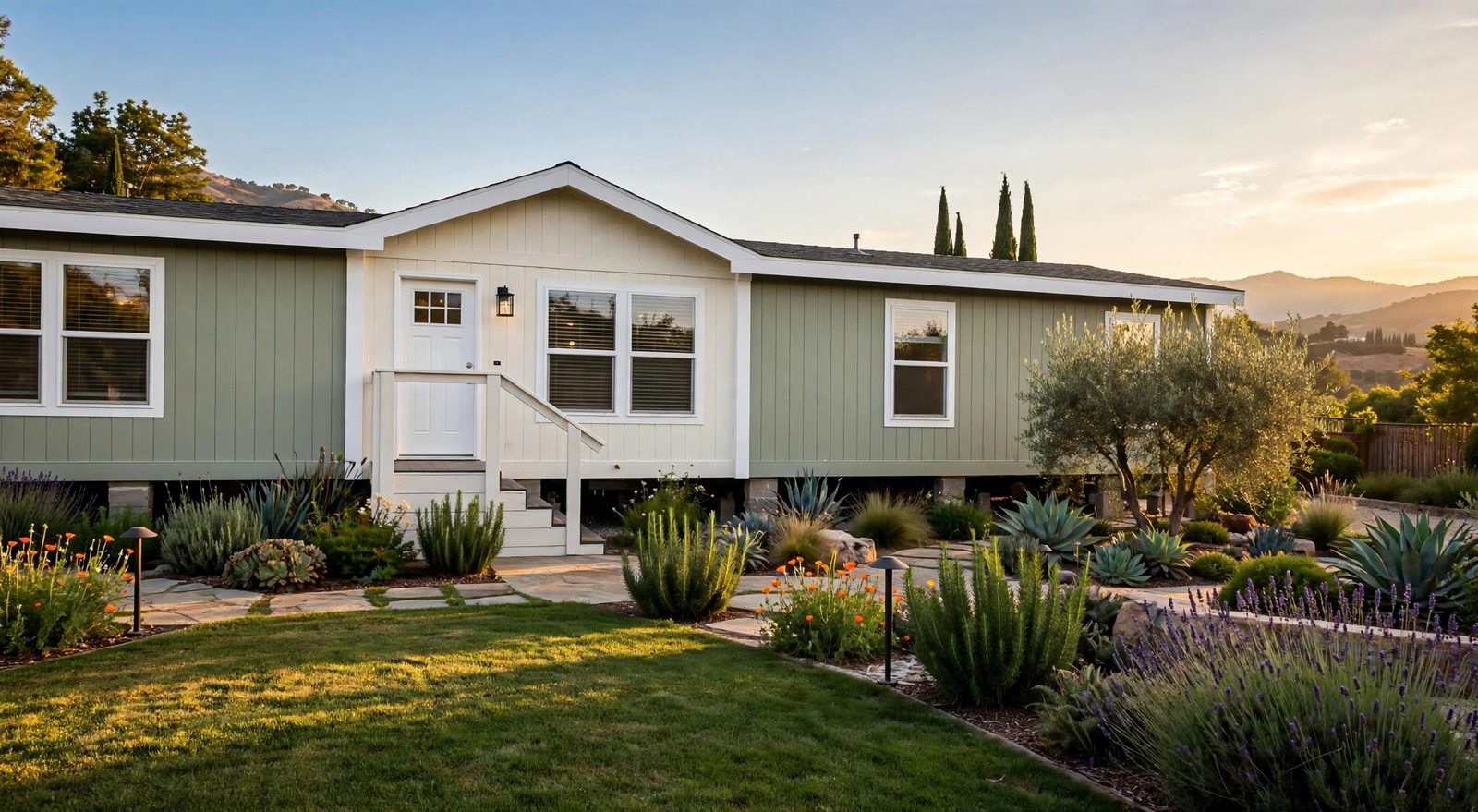
Why Efficiency Starts With the Design
An energy-efficient prefab home is not about one big upgrade. It is about many small choices working together — how the home is insulated, how it handles sunlight, and how it uses power and water each day. When those choices are planned from the start, the home stays more comfortable through hot afternoons and cool nights, with less strain on your systems.
Insulation and Sealing Make the Difference
Good insulation slows heat moving through walls, floors, and the roof, so indoor temperatures stay steadier. Sealing gaps around doors, windows, and fixtures matters just as much. Even a well-insulated home can feel drafty if air leaks are ignored. Ask about insulation levels for each part of the home, and look for a tight, careful finish around openings where air and moisture can slip in or out.
Windows, Lighting, and Everyday Systems
Windows do more than bring in a view. Their placement and quality affect heat gain, natural light, and privacy. In bright living areas, well-placed windows can reduce the need for artificial light during the day. Inside, LED lighting uses less energy than older bulbs and lasts longer. Efficient heating, cooling, and water-heating systems also help, especially when they are sized correctly for the home rather than simply chosen as the largest option available.
Orientation and Shade on Your Lot
How a home sits on the lot shapes comfort all year. Orientation can help living spaces capture morning light while limiting harsh late-day sun. Trees, covered porches, and thoughtful placement of outdoor spaces can add shade where you need it most. Rules and conditions vary by county and city, and your lot, slope, and surrounding homes will all influence what works best, so treat orientation as a site-specific decision, not a one-size-fits-all formula.
Comfort You Can Plan For
Before you choose a plan, make a simple priority list. Note which rooms you use most, where you want natural light, and how you prefer to heat and cool your space. Review window options, insulation details, and system choices together, rather than one at a time. That bigger picture helps you avoid focusing on a single feature while missing a change that would improve daily comfort more.
A thoughtful prefab home can feel calm, bright, and comfortable in every season. If you are exploring your options, book a free consultation with American Dream ADU. We can help you compare plans and features for your lot and lifestyle, and provide a free quote with no pressure.
---
Please note: This article is for general information only. Rules vary by county and city — always check with your local county or city planning office for the specific rules that apply to your property before making decisions.