
The Short Version
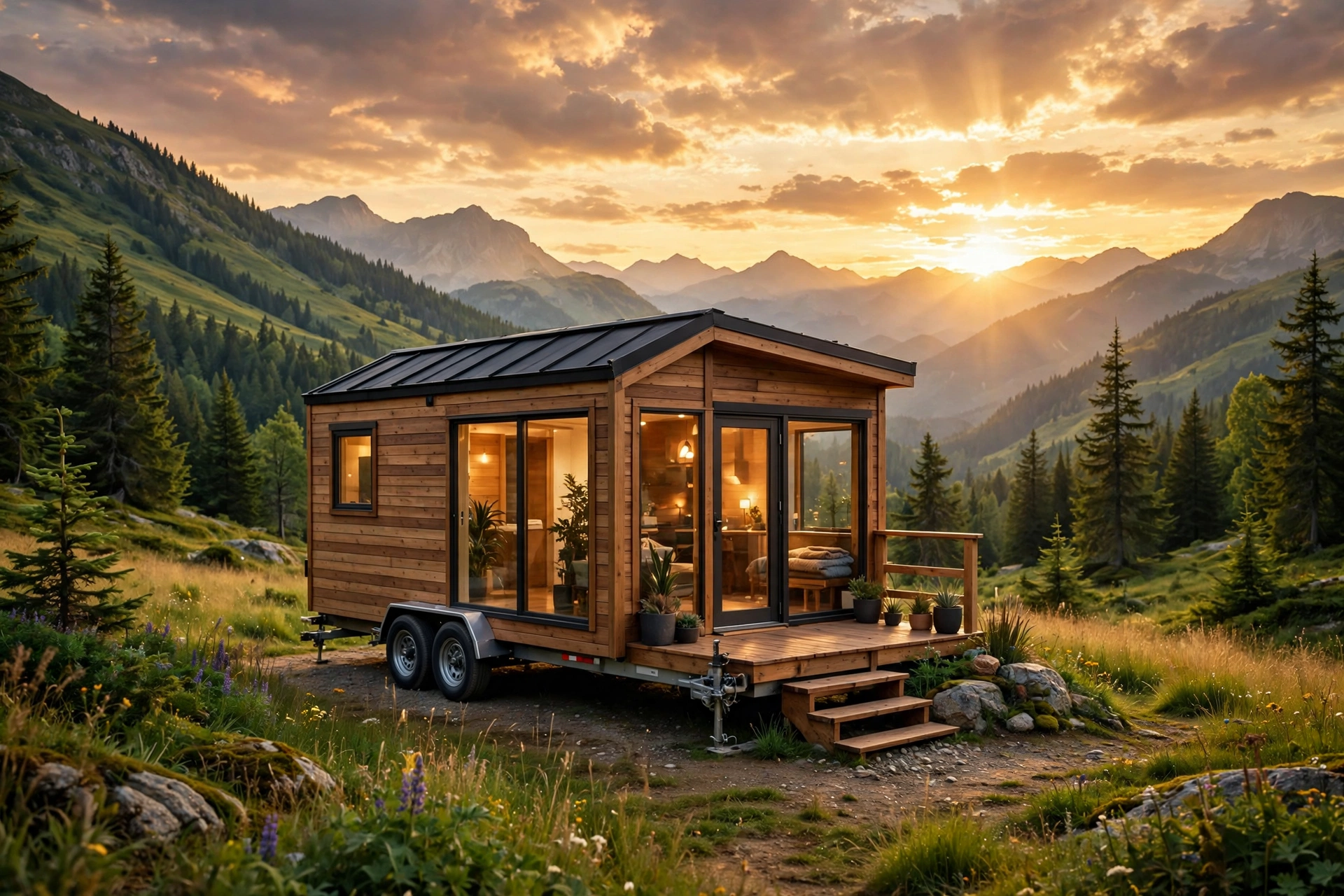
In California, a Park Model RV tiny home is usually placed where RVs are already allowed: private property with the right zoning, an RV or tiny-home-friendly park, or a rented lot set up for RV living. Where you cannot usually place one: vacant land with no permits, a random side yard in a city that prohibits RV living, or anywhere the local rules treat it as an unpermitted residence.
Why Park Model RVs Are Different
Park Model RVs are built to ANSI A-119.5 / RVIA standards and titled through the DMV, which puts them in the RV family rather than the housing family. That distinction is the whole key: you are not asking your city to permit a second dwelling — you are asking where an RV may live. That changes which rules apply, which permits matter, and which questions to ask.
Private Land You Own
Many counties allow RVs to be stored on private property, but living in one full-time is a separate question with separate rules. Some rural and unincorporated areas are flexible; dense coastal cities are often stricter. The deciding factors are the property's zoning, the length of stay, and whether utilities are connected. Always check with the county or city planning office before committing to a site.
RV Parks and Tiny-Home Communities
The simplest, lowest-friction option is a park built for RV living. These communities already handle the two hardest problems for you: full utility hookups (water, sewer, electric, and often pad sites sized for park models) and a legal framework for long-term stays. Many San Diego County residents choose this route because it removes the permitting guesswork entirely.
Leased Lots and Family Land
Placing a Park Model RV on a leased lot or a family member's property can work, but the property owner's local rules still apply. Written agreement with the landowner, clarity on who handles utilities and site prep, and confirmation that the city or county allows an RV residence on that parcel are the three non-negotiables before delivery.
What to Ask Before You Choose a Site
Bring these questions to the local planning office or park manager: Is full-time RV living allowed here? Are there limits on how long one RV may stay? Which utility connections are required, and who approves them? Rules vary by city and county, so the answer that applies in Escondido may not apply in Chula Vista.
The Bottom Line
Finding the right spot is usually the easiest part of going tiny — once you know which category of land you're looking at, the rules become clear fast. Start with your preferred county's planning office, and let the answers guide the rest.
Ready to explore tiny-home living? Reach out for a free consultation and we'll help you think through your options.
---
Please note: This article is for general information only. Rules vary by county and city — always check with your local county or city planning office for the specific rules that apply to your property before making decisions.